Open Platform for harmonized microplastic detection

OpenMNP is an open-access platform dedicated to eliminating technical barriers in microplastic identification. We provide consistent, transparent methods — starting with Raman spectroscopy — so every researcher, regulator, and industry professional can identify microplastics with confidence. Together, we are building a more reliable detection standard.

News

View All News
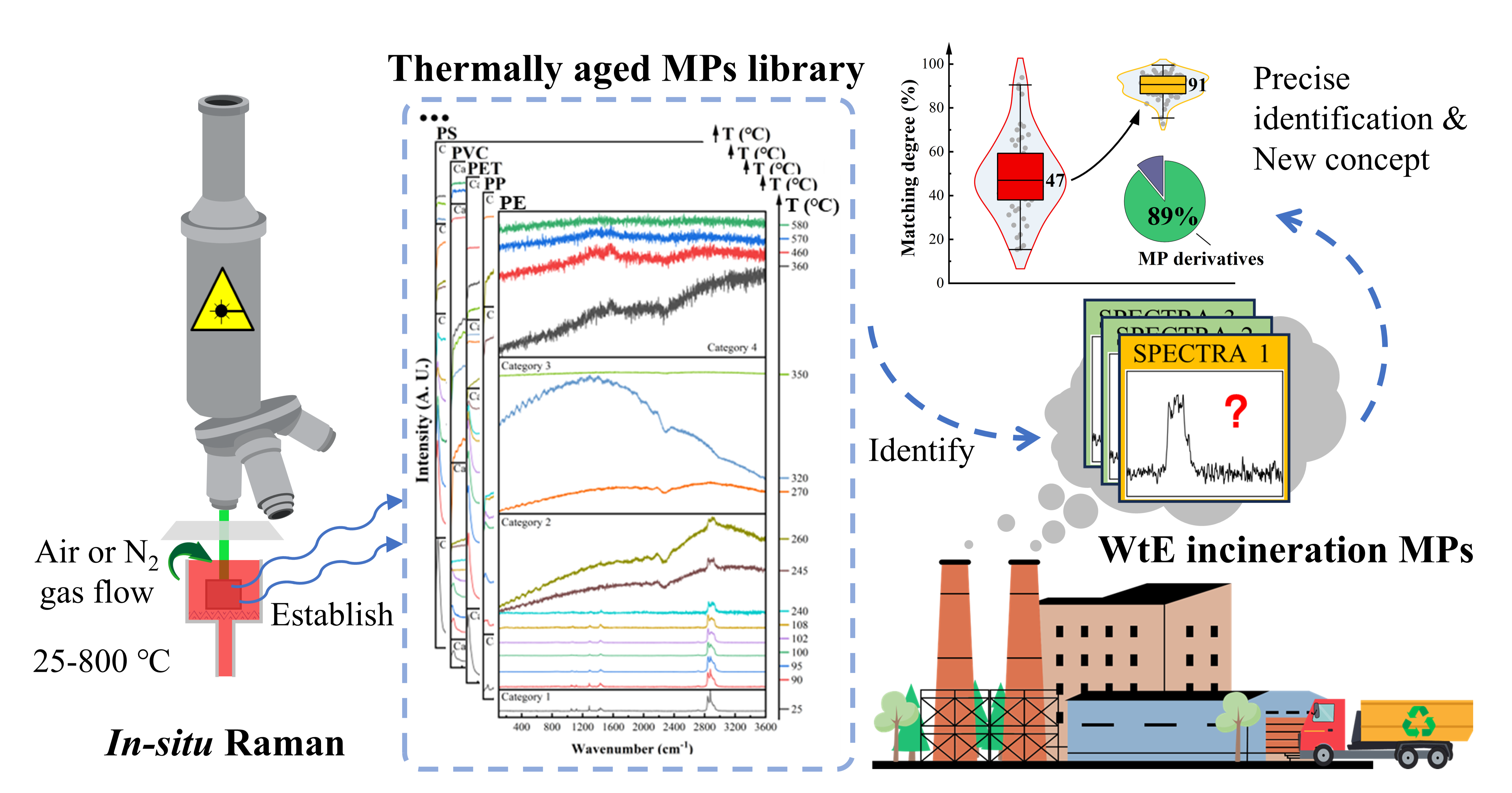
In-situ Raman identification framework for thermally aged microplastics
Publication · ES&T

OpenMNP Core Method Published in Environmental Science & Technology

The in-situ Raman identification framework powering this platform has been peer-reviewed and published in ES&T, a top-tier environmental journal. Covering 8 polymer types from 25°C to 800°C, the method achieves 91% median matching accuracy — a 44-point improvement over conventional libraries.

2026Su, Deng, Wu et al.
Read Paper
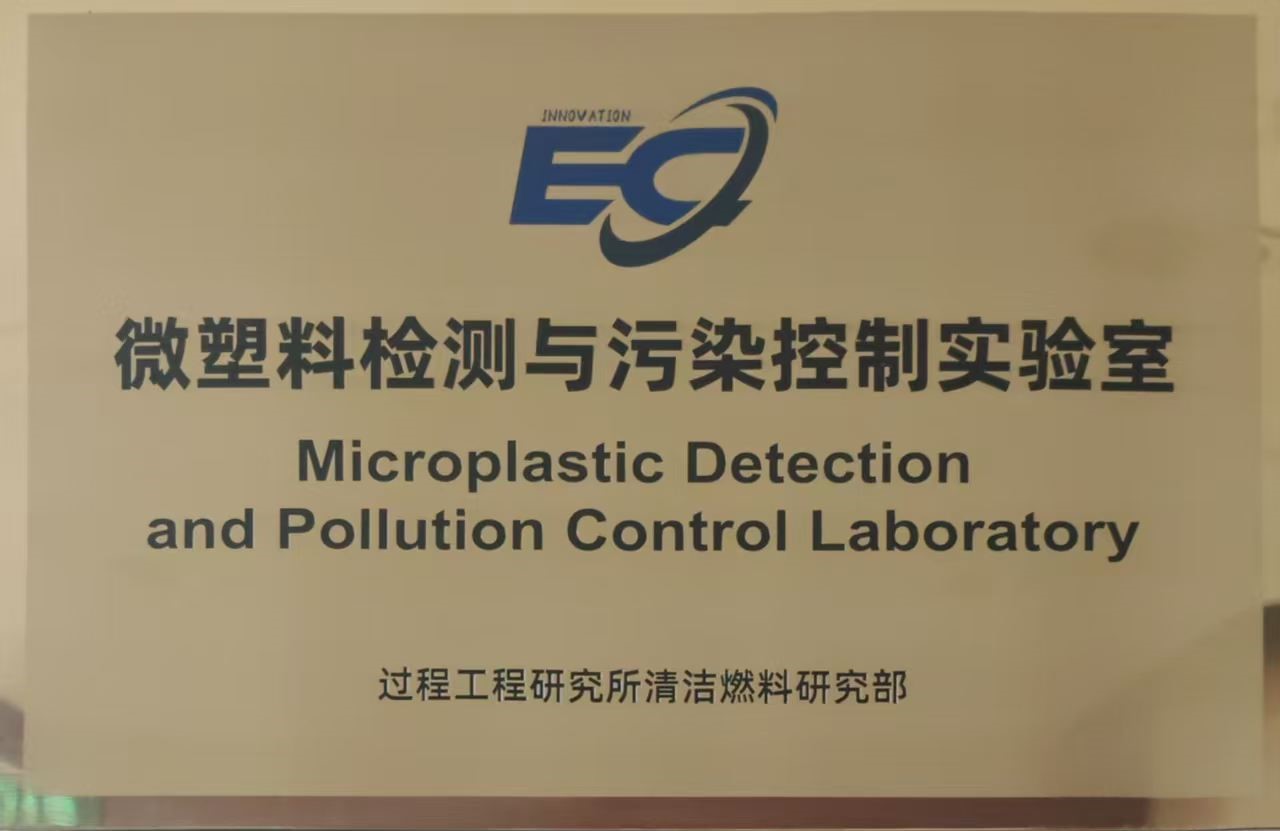
Microplastic Detection and Pollution Control Laboratory plaque
News · Laboratory

Microplastics Detection and Pollution Control Laboratory Officially Established

The Microplastics Detection and Pollution Control Laboratory, established under the Clean Fuel Division of the Institute of Process Engineering, Chinese Academy of Sciences, has been officially launched. The laboratory focuses on rapid and intelligent microplastics detection and characterization, synergistic control technologies, and environmental occurrence and transport studies.

2026Microplastic Detection and Pollution Control Laboratory
Read News
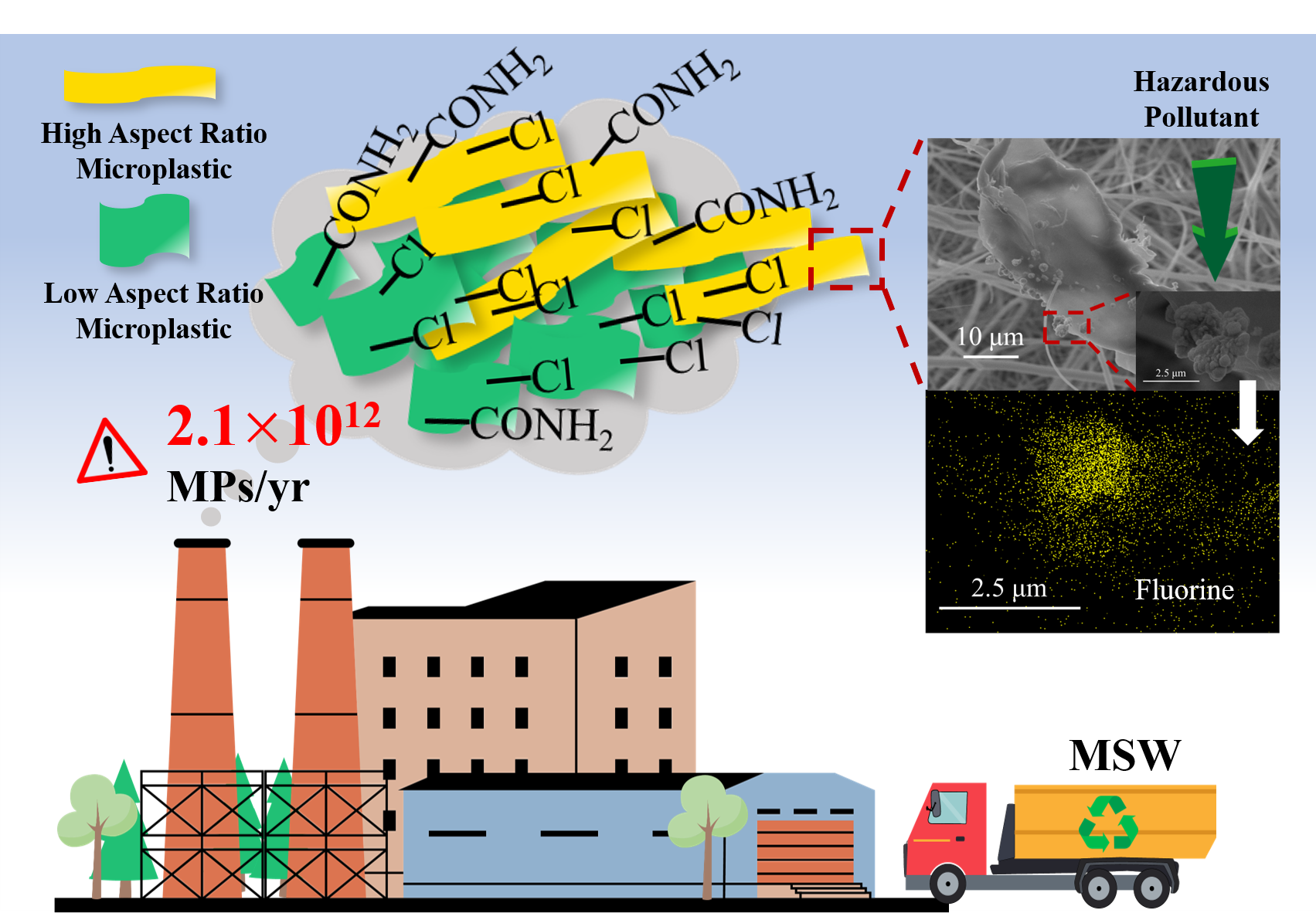
Atmospheric microplastics emission from MSW incineration
Publication · J. Hazard. Mater. Lett.

Field Evidence: Atmospheric Microplastics Emission from Waste Incineration Power Plants

Using the OpenMNP Raman identification framework, this study provides direct field evidence of atmospheric microplastic emissions from a circulating fluidized bed incinerator, estimating 2.1×10¹² particles/yr. The study identifies PVC and polyacrylamide as dominant polymer types and reveals how air pollution control devices influence microplastic abundance across different flue gas stream locations.

2025Su, Wang, Gu, Liu, Deng, Li et al.
Read Paper
Why choose this method

Built for environmental microplastics

OpenMNP uses an in-situ Raman-based framework designed to identify aged microplastics.

01

Aging-aware spectral library

The method uses an expanded aging spectral library rather than relying only on pristine polymer references.

02

Microplastic Derivative concept

The framework recognizes polymer-derived particles that deviate from pristine spectra but retain essential polymeric features.

03

Transparent matching logic

Pearson-based matching degrees and classification thresholds are clearly reported, making each identification decision traceable.

Join the Standardization Effort

Be the first to know when new detection methods are added to OpenMNP. Together, we can advance toward consistent, transparent, and accessible microplastic detection.

Research Partner Institutions

Chinese Academy of Sciences Chinese Academy of Sciences
Institute of Process Engineering, CAS Institute of Process Engineering, CAS
Chinese Research Academy of Environmental Sciences Chinese Research Academy of Environmental Sciences
State Key Laboratory of Mesoscience and Engineering State Key Laboratory of Mesoscience and Engineering