Method Citations

Peer-reviewed papers that have used or validated the OpenMNP Raman identification method.

In-situ Raman identification framework
Publication · ES&T

A Resilient In-Situ Raman-Based Framework for Identifying Thermally Aged Microplastics

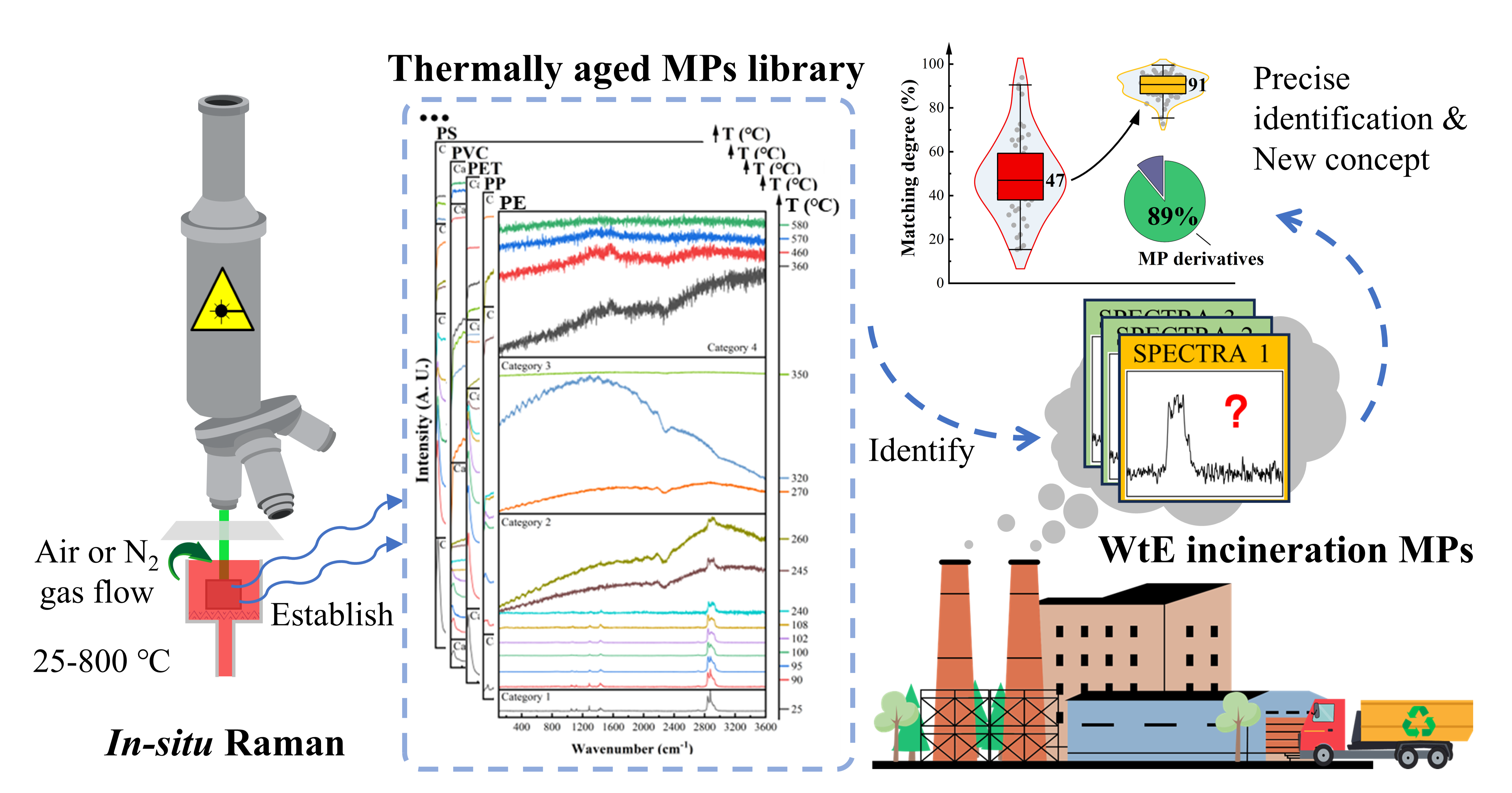
The foundational paper behind OpenMNP. In-situ Raman spectroscopy captured real-time spectral evolution of 8 plastics during thermal transformation (25°C to 800°C), building the first comprehensive library for thermally aged microplastics. The method elevated the median spectral matching degree from 47% to 91% and reduced unassigned spectra by 76%.

Su T, Gu X, Deng S*, Wang H, Zhu W, Li Z, Li S, Wu F*. Environ. Sci. Technol. 2026.

Read Paper
Soil microplastic extraction and distribution
Application · 环境科学

Study Using OpenMNP Raman Method Reveals Microplastic Distribution in Soils Near Waste-to-Energy Plants

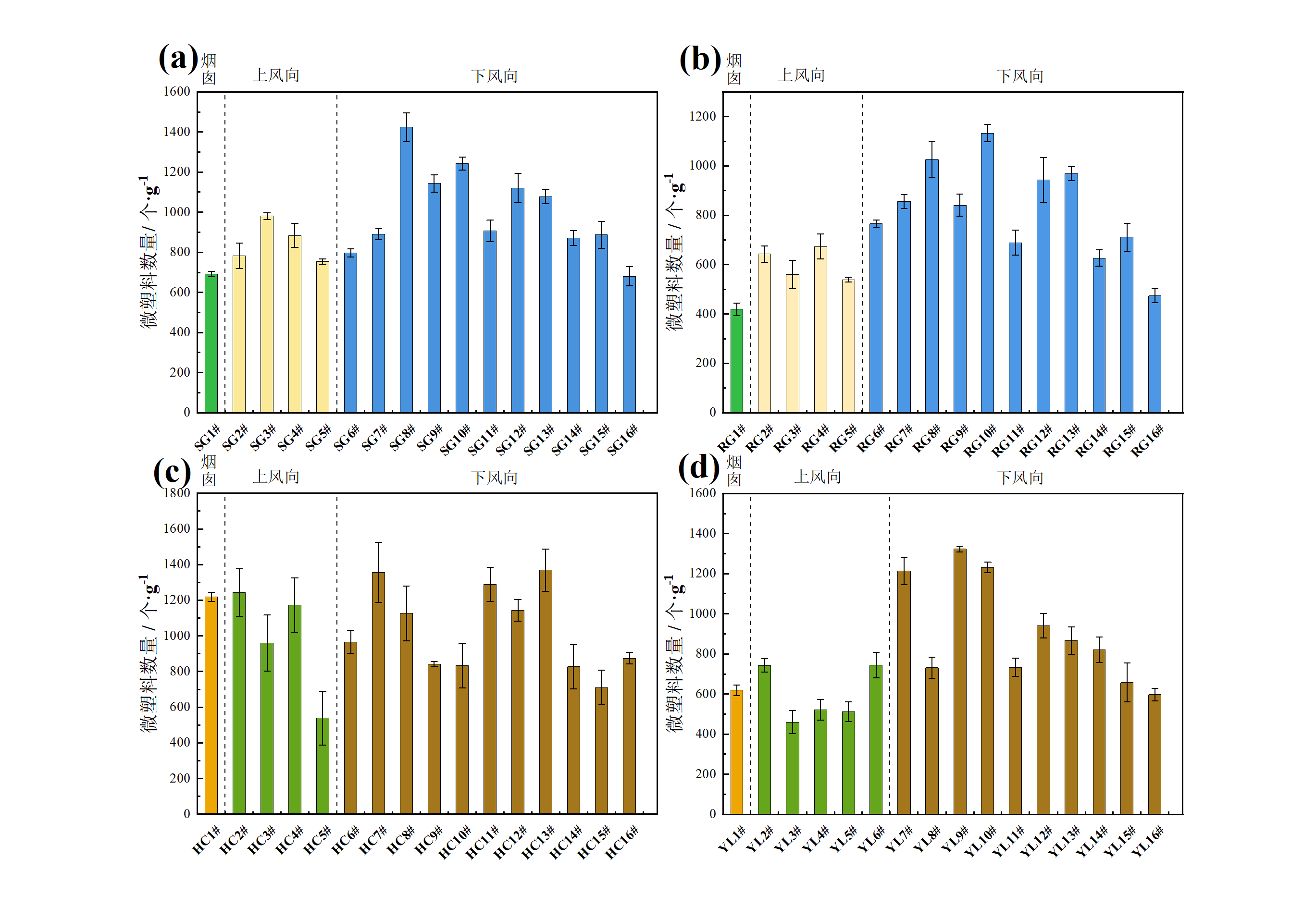
Researchers applied the OpenMNP Raman identification workflow to characterize microplastics (>3 μm) in soil surrounding a waste incineration plant. The study reported 419–1,133 particles/g, with PP and PE accounting for 61.2% of total polymers, validating the method’s real-world applicability.

Zhu W, Gu X, Su T, Li Z, Wang H, Yuan C, Deng S*, Li S. 环境科学 2026.

Read Paper
Atmospheric microplastics emission
Publication · J. Hazard. Mater. Lett.

Atmospheric Microplastics Emission from Waste Incineration: Field Evidence Using OpenMNP

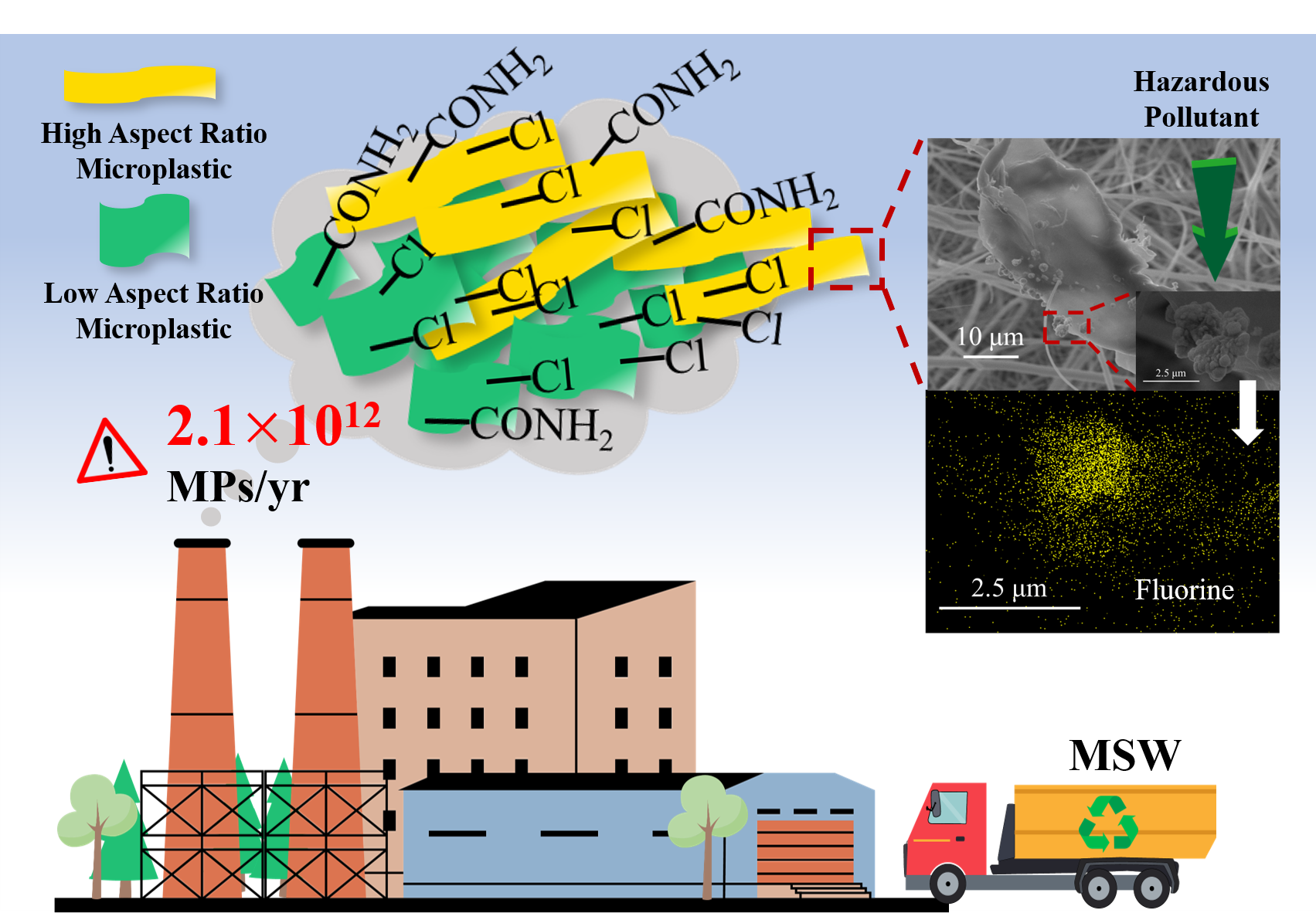
Direct field evidence of atmospheric microplastic emissions from a circulating fluidized bed incinerator, using the OpenMNP Raman identification framework. The study estimated emissions at 2.1×10¹² particles/yr, identifying PVC and polyacrylamide as major polymer types, confirming MSW incineration as a significant contributor to atmospheric microplastics.

Su T, Wang H, Gu X, Liu S, Xiong Y, Deng S*, Li S*. J. Hazard. Mater. Lett. 2025, 6: 100009.

Read Paper

Is your work missing?

If you have used, applied, or cited the OpenMNP Raman method in your research, we would be happy to feature your publication here. Help us showcase the growing impact of harmonized microplastic detection.