Open Platform for harmonized microplastic detection

OpenMNP is an open-access platform dedicated to eliminating technical barriers in microplastic identification. We provide consistent, transparent detection methods — starting with Raman spectroscopy and expanding to mass spectrometry — so that every researcher, regulator, and industry professional can identify microplastics with confidence. Together, we are advancing toward harmonized detection practices.

News

View All News
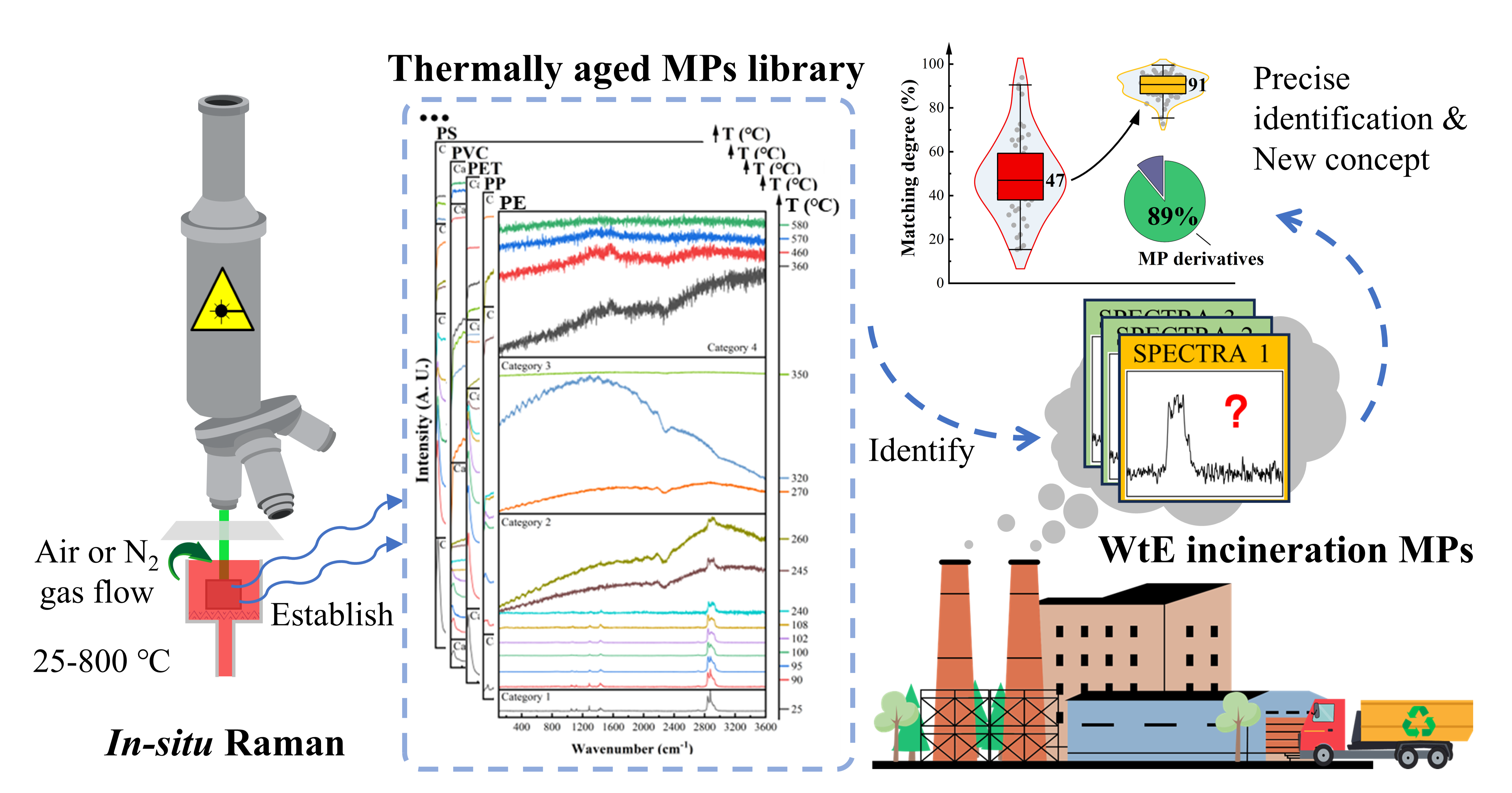
In-situ Raman spectral evolution during thermal aging
Publication · ES&T

OpenMNP Core Method Published in Environmental Science & Technology

The in-situ Raman identification framework powering this platform has been peer-reviewed and published in ES&T, a top-tier environmental journal. Covering 8 polymer types from 25°C to 800°C, the method achieves 91% median matching accuracy — a 44-point improvement over conventional libraries.

2026Su, Deng, Wu et al.
Read Paper
Soil sampling around waste incineration plant
Application · 环境科学

Study Using OpenMNP Raman Method Reveals Microplastic Distribution in Soils Near Waste-to-Energy Plants

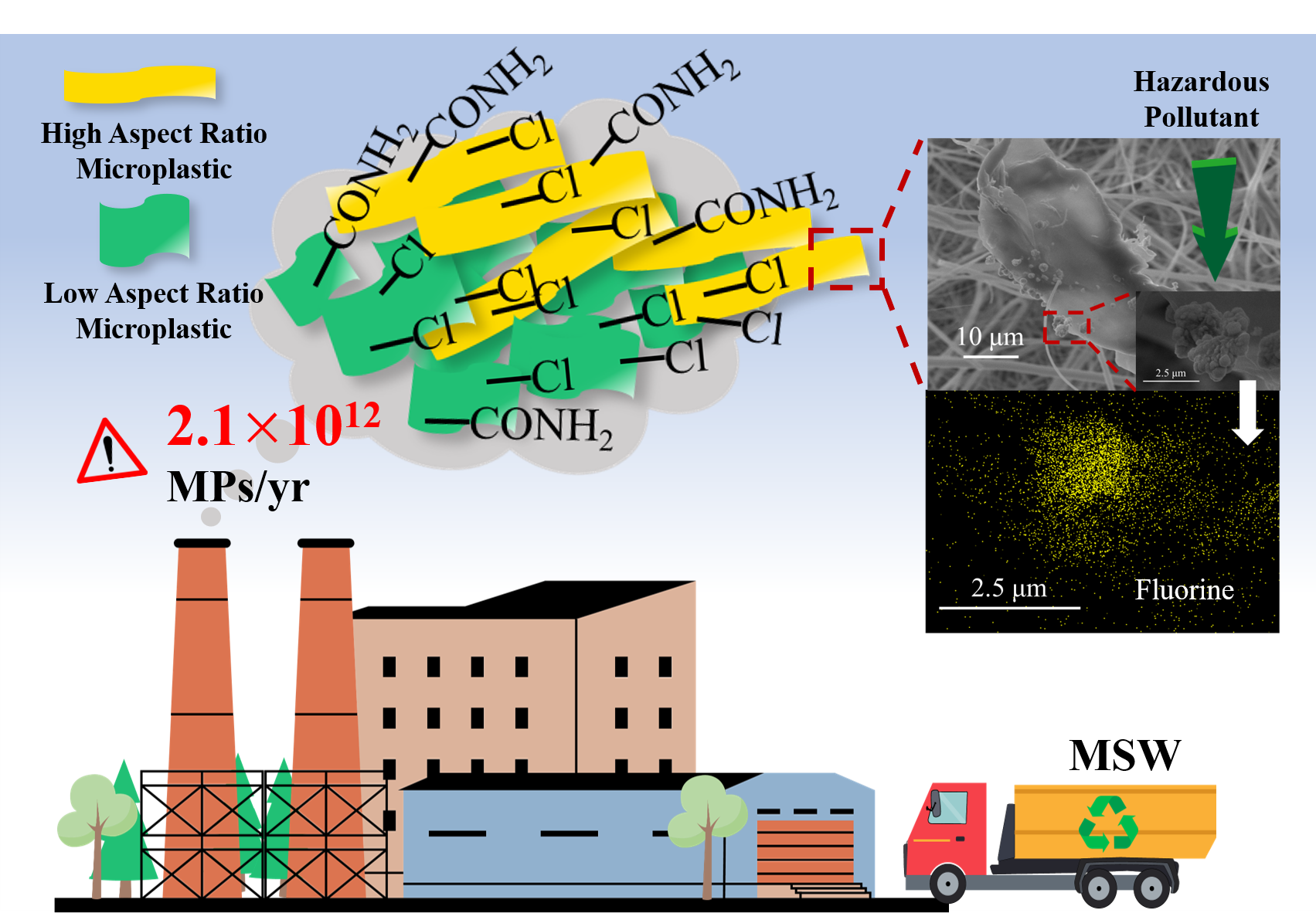
Researchers applied the OpenMNP Raman identification workflow to characterize microplastics (>3 μm) in soil surrounding a waste incineration plant. The study reported 419–1,133 particles/g, with PP and PE accounting for 61.2% of total polymers, validating the method’s real-world applicability.

2026Zhu, Gu, Su, Deng, Li et al.
Read Paper
Py/GC-MS and TD/GC-MS comparison for microplastics
Application · 分析测试学报

OpenMNP Mass Spectrometry Methods Compared: Py/GC-MS Shows Superior Sensitivity for Soil Microplastics

A systematic comparison of Py/GC-MS and TD/GC-MS — both offered through OpenMNP — demonstrates Py/GC-MS achieves 10× lower detection limits (8.84×10⁻³–1.58×10⁻¹ μg) and higher recoveries for 6 common polymers in complex soil matrices, supporting method standardization.

2026Cui, Gu, Wang, Zhu, Deng et al.
In Press

Why OpenMNP?

Microplastic detection today is fragmented — every lab uses different instruments, libraries, and criteria. OpenMNP is building a harmonized, open platform to change that.

Raman spectral evolution during thermal aging

Consistent, Comparable Results

When labs use a shared detection pipeline, results become truly comparable across regions and studies — a critical step toward harmonized microplastic identification.

Zero Technical Barriers

No expensive software. No proprietary algorithms. Everything is open-source, transparent, and accessible. Upload a .txt file and get results instantly.

Growing Detection Ecosystem

This Raman framework is just the beginning. More detection technologies — including mass spectrometry (Py-GC/MS) — and sample types are coming to the platform.

Try Methods

Toward Harmonized Detection

Currently, microplastic detection methods vary widely between laboratories — different instruments, different spectral libraries, different matching criteria. This fragmentation makes it impossible to compare results across studies or build reliable global datasets. OpenMNP exists to help change that. Our first method — an in-situ Raman framework covering 8 polymer types with a 91% median matching rate — is freely available, fully transparent, and ready for you to use. Mass spectrometry and other detection technologies will join the platform. Together, we can make microplastic identification more consistent, comparable, and accessible to everyone.

View on GitHub

Join the Standardization Effort

Be the first to know when new detection methods are added to OpenMNP. Together, we can advance toward consistent, transparent, and accessible microplastic detection.

Research Partner Institutions

Chinese Academy of Sciences Chinese Academy of Sciences
Institute of Process Engineering, CAS Institute of Process Engineering, CAS
Chinese Research Academy of Environmental Sciences Chinese Research Academy of Environmental Sciences
State Key Laboratory of Mesoscience and Engineering State Key Laboratory of Mesoscience and Engineering